Tracing ruski sport: From the Soviet athletic system to today’s professionals
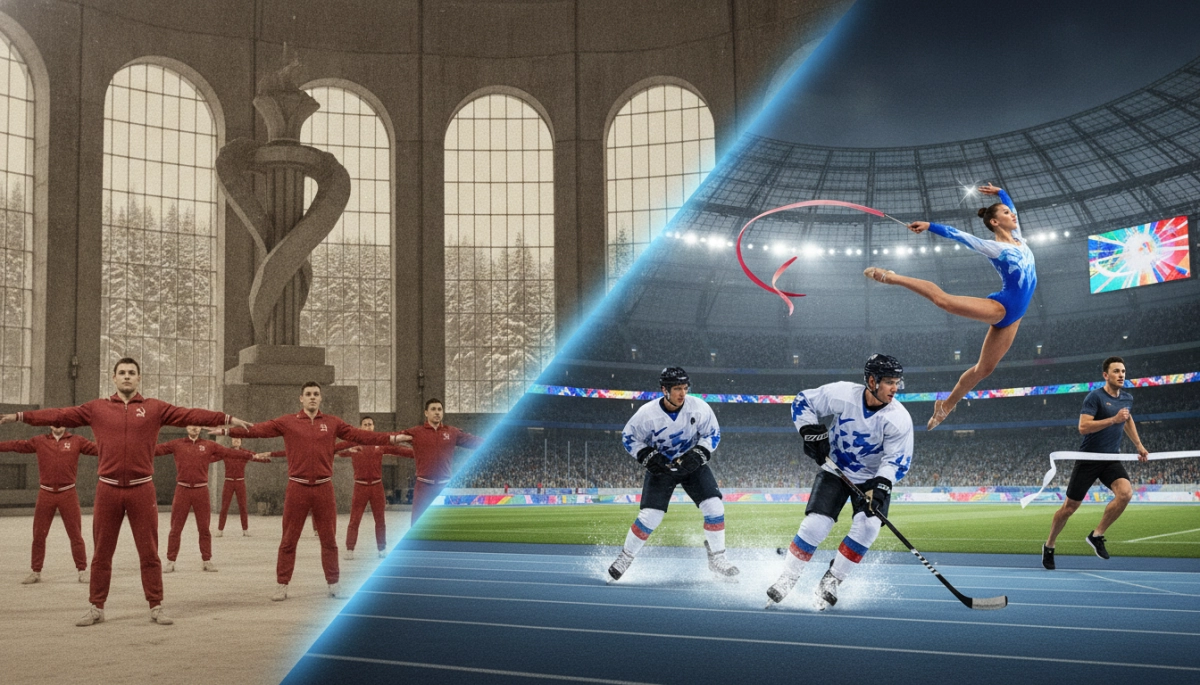
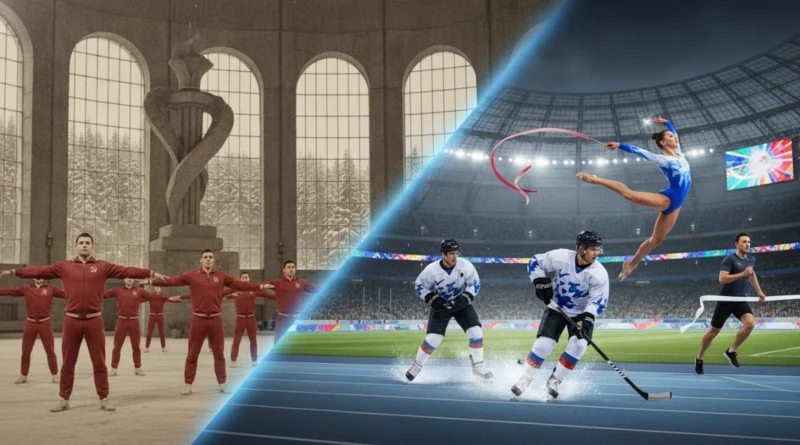
From a centralized Soviet machine to the emergence of modern ruski sport
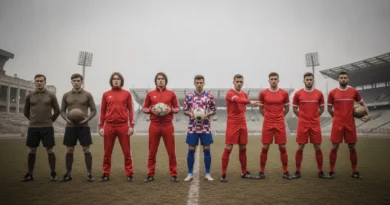
The Soviet Union built an athletic system designed to produce Olympic champions and international prestige. Central planning, state-supported clubs (Dynamo, CSKA, Spartak) and specialized sports schools turned sport into a national project. This historical framework shaped generations of athletes across football, tennis and ice hockey and created enduring institutions and myths that still inform ruski sport today.
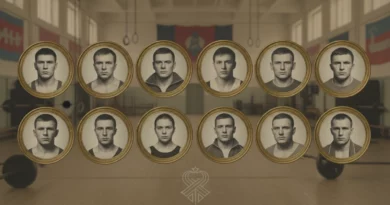
State patronage meant long-term talent identification, guaranteed coaching pipelines and an ideology that placed collective success above commercial incentives. The USSR’s Olympic traditions — systematic preparation, scientific training and state-funded competition calendars — delivered disproportionate medal hauls and iconic figures whose reputations carried into the post‑Soviet era.
Icons and institutional pillars of the Soviet era
- Football: Goalkeeper Lev Yashin (Dynamo Moscow) became a global symbol of Soviet football; clubs like Spartak and Dynamo were both sporting and political institutions.
- Ice hockey: Coaches such as Anatoli Tarasov established a school of play that produced legends like Valeri Kharlamov and Vladislav Tretiak and dominated world championships and Olympic tournaments.
- Tennis: Although tennis was less central to Soviet mass sport, pioneers like Olga Morozova and Alex Metreveli proved the system could produce top competitors despite limited international exposure.
These athletes were integrated into a cultural memory that later generations of ruski sport enthusiasts would revisit with both nostalgia and critique. The Soviet model prioritized national glory; it also insulated talent from market forces that would later reshape sport after 1991.
1991 and after: institutional reforms, market forces and early professionalisation
The dissolution of the USSR triggered rapid institutional change. State funding contracted, sports federations were reorganized, and clubs and academies had to find new financial models. The Russian Premier League launched in 1992 as football clubs professionalized; hockey saw an influx of players to the NHL; tennis players began to train in private academies and compete as individuals on the ATP and WTA tours.
This transition produced immediate winners and losers. Some structures adapted: private sponsors and oligarch money revived clubs and created competitive domestic leagues. Others faltered as regional sports schools lost steady funding. The early post‑Soviet era also moved ruski sport from collective Soviet identity toward market-driven celebrity athletes — Marat Safin and Yevgeny Kafelnikov in tennis, Pavel Bure and later Alexander Ovechkin and Evgeni Malkin in hockey, and a new generation of footballers who would navigate foreign leagues and transfers.
Continuity and rupture: Olympic heritage, governance and the first geopolitical shocks
Despite institutional upheaval, the Olympic tradition remained central. Russia inherited much of the Soviet Olympic apparatus and continued to view the Games as a stage for national prestige. At the same time, governance challenges — funding inconsistencies, corruption allegations and later doping scandals — created tensions between historical expectation and modern accountability.
By the 2010s and especially after 2022, international sanctions and rulings (sporting suspensions, neutral‑status competitions and transfer hesitations) began to produce concrete effects on competition access, player mobility and international representation — themes that will be examined through focused profiles of football, tennis and ice hockey in the next section.
Focused profiles: how football, tennis and ice hockey adapted their career pathways
Each sport carried forward different elements of the Soviet heritage while creating distinct professional templates. Football moved decisively into market mechanisms: the collapse of central funding sent top players abroad in the 1990s and invited private capital into domestic clubs. Oligarch ownership and sponsorship reshaped squad-building — from the moment wealthy backers began buying influence in the Premier League to high‑profile investments in Russian clubs — creating a cycle of short‑term success and fragile sustainability. For many contemporary Russian footballers, careers are defined by early academy development at historically rooted clubs (Spartak, CSKA) followed either by domestic consolidation or export to European leagues where transfer markets and work‑permit regimes now govern mobility.
Tennis charted a contrasting path as an individualized, market‑driven sport. Where the Soviet apparatus produced occasional standouts, the post‑Soviet era produced a string of top-ranked professionals who trained at private academies and negotiated global tours as independent contractors. Stars like Marat Safin and Yevgeny Kafelnikov opened the door; the next generation — Daniil Medvedev, Andrey Rublev, Anastasia Pavlyuchenkova among them — have navigated sponsorships, national federation support and international circuit politics. The independent nature of tennis means athletes can often continue competing despite state‑level tensions, albeit sometimes under neutral flags or subject to tournament-specific restrictions.
Ice hockey kept the closest institutional continuity with Soviet practice, translating it into the KHL era. The Kontinental Hockey League fashioned itself as a high‑paying regional alternative to the NHL, anchored by former military and club structures (CSKA, Dynamo) and new private investment. Elite Russian skaters now choose pathways that mix domestic prestige with NHL opportunities; the most successful combine KHL contracts with transfers overseas, leveraging both markets while negotiating geopolitical friction and visa complexities.
Sanctions, rulings and their concrete effects on competition, transfers and representation
International sanctions and sporting rulings after 2014 and especially 2022 have had layered, sport‑specific repercussions. At the institutional level, doping rulings over the 2010s forced Russian Olympic representation into various neutral formats, eroding the symbolic banner of “Russia” at Games. After 2022, governing bodies moved abruptly: FIFA and UEFA suspended Russian national teams and clubs from European competition, IIHF cut Russia from international ice hockey events, and tournament promoters imposed a patchwork of entry rules for Russian athletes.
These measures ripple into transfers and contracts. Football clubs outside Russia grew cautious about signing Russian players — concerns ranged from reputational risk to practicalities like insurance and travel clearances — while oligarch‑owned foreign clubs faced direct sanctions that reshaped ownership patterns (the best‑known case being Roman Abramovich’s sale of Chelsea in 2022). Hockey players confronted reduced cross‑league visibility when national teams were barred, although individual NHL contracts for established stars largely endured. Tennis showed the greatest resilience: ATP and WTA allowed Russians to play as neutrals, preserving ranking trajectories, even as particular tournaments (Wimbledon 2022) enacted exclusions that produced contentious and uneven outcomes.
Overall, the sanctions regime has accelerated pre‑existing trends: team sports suffer from restricted competition windows and constrained transfer markets, whereas individual athletes can, in many cases, preserve global careers — albeit stripped of national insignia and constrained by the geopolitics that now shape sporting calendars and commercial partnerships.
Looking ahead: durability, adaptation and geopolitics
Ruski sport will continue to be shaped by three overlapping forces: institutional legacy, market incentives and international politics. Athletes and clubs adapt day to day — negotiating contracts, training pathways and competition calendars — but the broader contours are set by governance choices, funding models and how external bodies choose to engage or isolate Russian sport. The human element remains central: coaches, young athletes and administrators will determine whether the next generation inherits a revitalized, transparent system or a fractured one constrained by isolation and short‑term patronage.
What to watch next
- Youth development: whether regional sports schools recover steady funding or private academies continue to dominate talent pipelines.
- Cross‑league relations: KHL–NHL mobility and the extent to which political pressures affect transfers and visas for elite players.
- Individual vs team sports divergence: how tennis players navigate neutral statuses compared with football and hockey contingencies.
- Governance and accountability: reforms in federation transparency, anti‑doping compliance and club ownership structures.
- International arbitration and legal frameworks: contract insurance, sanctions compliance and dispute resolution that affect transfers and competitions.
For observers and stakeholders, the practical task is to separate principled engagement with individual athletes from adjudicating state conduct — a difficult line to keep, but one that will shape both the ethics and economics of sport. International institutions will continue to set the rules of access; for the latest on how those rules are evolving, see the International Olympic Committee.