Russian Footballers Abroad: From Soviet-Approved Transfers to the Sanctions Era
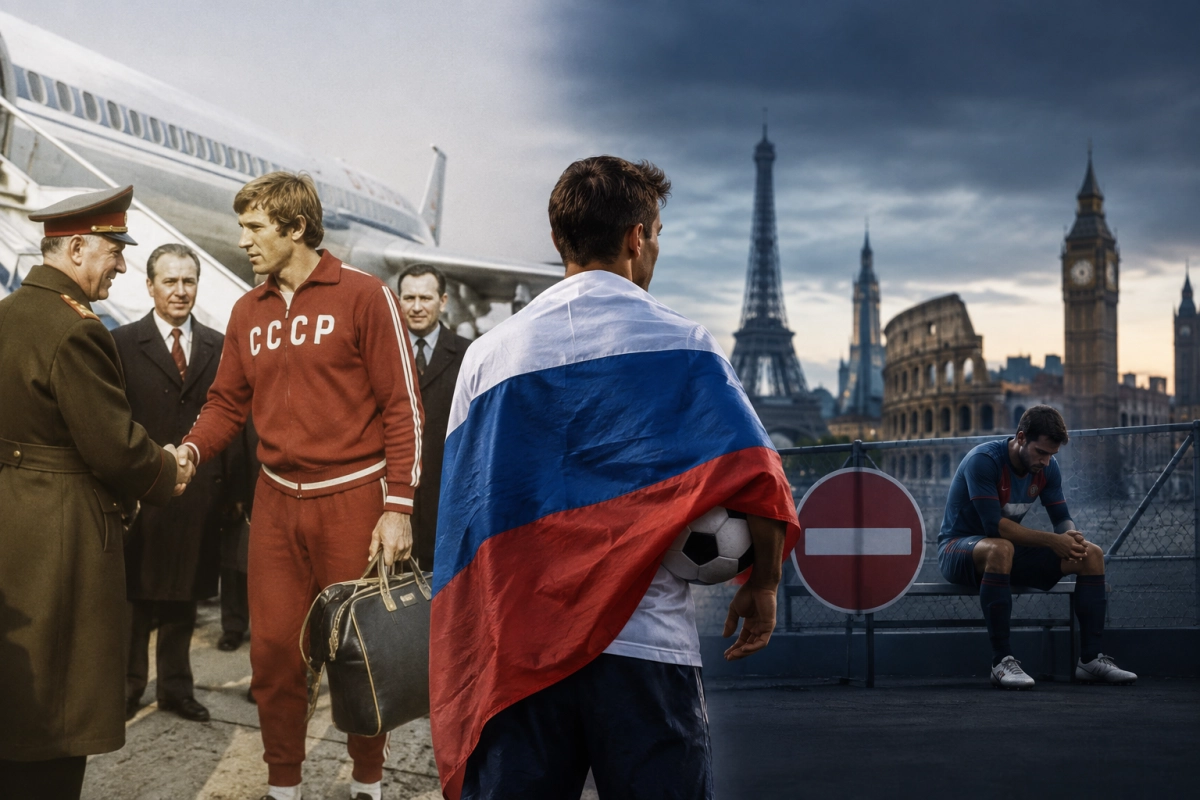
Behind the Iron Curtain: Why Soviet Stars Stayed Home for So Long
For most of the twentieth century, a Soviet footballer’s career began and ended inside the USSR. Clubs were tied to state institutions such as the army, the police, trade unions and industrial ministries, and the best players belonged to that system as much as to their teams. A move abroad was a political question, and for decades the answer was no.
That isolation shaped a distinctive football culture. Dynamo Kyiv under Valeriy Lobanovskyi and Spartak Moscow under Konstantin Beskov developed tactically sophisticated, physically demanding styles with almost no exposure to Western dressing rooms. European audiences admired these players’ discipline at international tournaments without ever seeing them in the colours of Milan, Madrid or Munich.
The story of what Balkan fans search for as ruski fudbaleri abroad therefore starts late, with a clear geopolitical trigger. Each wave of departures since has followed a shift in Moscow’s relationship with the wider world: reform, collapse, oil-fuelled recovery and, finally, sanctions.
Perestroika and the First Approved Exits
Mikhail Gorbachev’s reforms in the mid-1980s loosened economic controls enough for sports authorities to see foreign transfers as a source of hard currency. The first moves were cautious. Permission typically went to experienced players past their peak, and much of the fee flowed to the state rather than the player. One early case came in 1987, when Spartak midfielder Sergei Shavlo joined Rapid Vienna, a politically safe destination in neutral Austria.
Euro 1988 as a Shop Window
The real turning point was the 1988 European Championship. The Soviet Union reached the final in West Germany before losing to the Netherlands, showcasing a squad Western clubs suddenly wanted. Within months, the transfers began.
- Rinat Dasayev, the Spartak goalkeeper widely regarded as one of the world’s best, joined