Behind the Iron Curtain: Soviet Athletes Who Defected to the West
When Champions Chose Freedom Over the Soviet Sports Machine
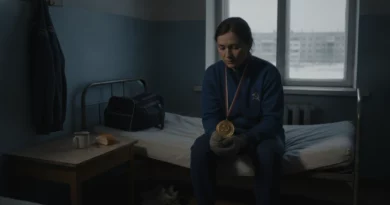
At the height of the Cold War, Soviet athletes were the most closely watched figures in global sport. They won gold medals in bulk, dominated Olympic standings, and served as living proof — at least in official rhetoric — that communism produced superior human beings. Behind that carefully managed image was a world of rigid state control, limited personal freedom, and an expectation that athletes would subordinate their entire lives to the glory of the USSR. For most, that was simply the reality they had always known. For a remarkable few, it became unbearable.
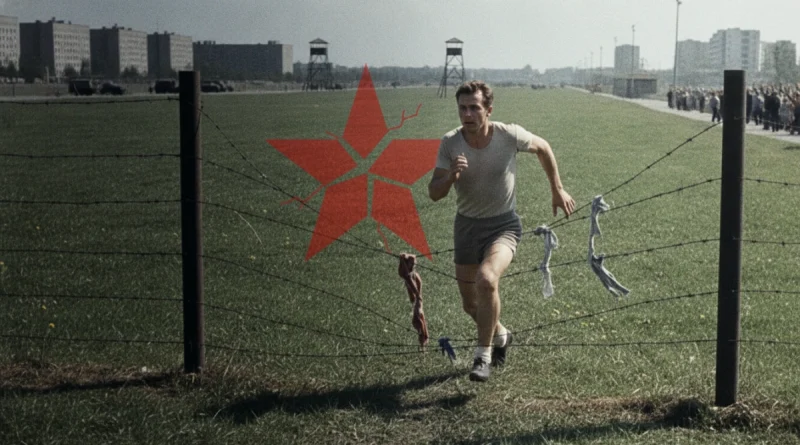
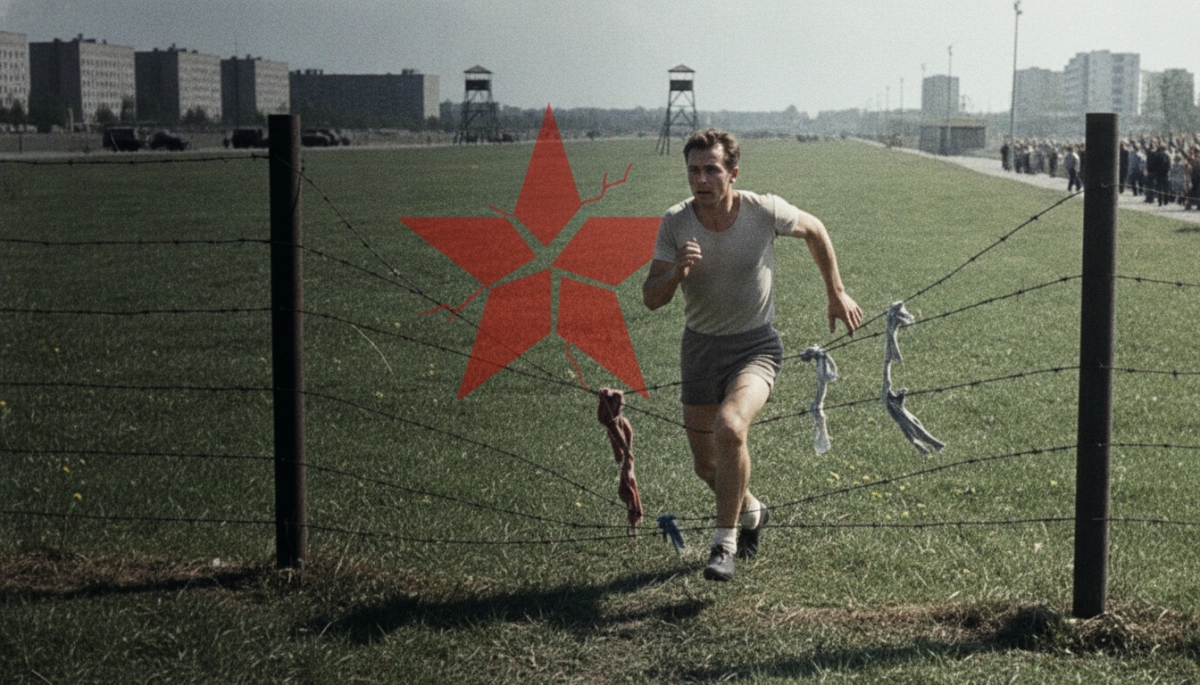
The defections of prominent Soviet athletes were among the most dramatic and politically charged events of the Cold War era. These were not ordinary people slipping across a border under cover of darkness. These were national heroes whose victories had been broadcast across Soviet television as symbols of ideological supremacy. When they defected, the propaganda machinery that had built them up was forced to erase them entirely.
Understanding why they left requires understanding what the Soviet sports system actually demanded. From a young age, those identified as talented were funneled into specialized sports schools, separated from ordinary civilian life, and trained under a model that prioritized collective achievement over individual expression. Travel abroad came with surveillance, restricted movement, and political minders assigned to monitor every interaction with foreigners. For athletes competing in Paris, New York, or Montreal, the contrast between their constrained existence and the visible freedoms of the West was often stark and unsettling.
The Anatomy of a Defection: Opportunity, Risk, and the Point of No Return
Defections rarely happened impulsively. Most involved months or years of quiet contemplation, clandestine contact with Western officials, and an acute awareness of the consequences — not just for the athlete, but for family members left behind. The KGB was thorough, and retaliation against relatives was a well-documented tool of deterrence. Athletes who did ultimately defect often described the decision as the most agonizing of their lives.
The sports most affected were those with the highest international exposure: gymnastics, figure skating, chess, tennis, hockey, and athletics — disciplines where tours and tournaments brought Soviet athletes into extended contact with Western life. Each case carried its own circumstances: personal relationships, ideological disillusionment, fear of forced retirement, or a hunger for autonomy the Soviet system could not accommodate.
What unified these stories was their outsized political impact. A single defection could dominate international headlines for weeks, forcing Soviet authorities into awkward denials while Western governments celebrated the propaganda windfall. The athletes became symbols before they had settled into their new lives — pawns of a geopolitical contest they had not asked to join.
The Bolshoi on the Run: When Artists in Uniform Defected
Among the most symbolically devastating defections were those from artistic sport — disciplines where the line between competitive performance and cultural identity was almost impossible to draw. Gymnastics and figure skating champions were not merely athletes; they were ambassadors of Soviet grace and discipline. When figures from these worlds chose to leave, the wound cut deeper than any lost gold medal.
Figure skaters operated in an environment where artistic control compounded already suffocating conditions. Choreography, music selection, and costume design were all subject to state committee approval. Skaters who wanted to push creative boundaries, or whose relationships with coaches the system had decided to sever, found themselves at a crossroads that had little to do with patriotism and everything to do with survival as an artist.
Those who eventually made their way to the West described a similar trajectory: early devotion to their sport, absolute commitment to the system, then a gradual and unsettling realization that the system viewed them as instruments rather than human beings. Forced pairings, abrupt reassignment of coaches without consultation, the threat of premature retirement announced by a sports committee rather than the athlete — these quiet indignities accumulated into the decision to leave. The moment of defection, when it came, was often less a dramatic leap than a door quietly closing behind them.
Chess, Hockey, and the Reluctant Dissident
The Chess Table as a Cold War Battlefield
Chess holds a peculiar place in the history of Soviet defections. Grandmasters were state-sponsored celebrities, their victories framed as proof of communism’s capacity to develop superior minds. The international chess circuit, however, was one of the few arenas where Soviet citizens spent extended periods in direct contact with Western counterparts — and where the scrutiny of political minders was harder to enforce across sixty-four squares.
Ideological disillusionment rarely arrived as a sudden revelation. More often it was the product of accumulated observations — the comparative freedom with which Western players spoke about their careers, the absence of reporting obligations, the simple dignity of choosing where to live and whom to work with. For players spending weeks abroad during major tournaments, these contrasts were impossible to ignore.
Hockey’s Hidden Fault Lines
Soviet ice hockey presented a different kind of pressure. The national team — the celebrated Red Machine — was arguably the single most successful collective sports enterprise of the Cold War, and its players were held to a standard of sacrifice that bordered on the martial. Personal ambition was ideologically suspect. Players who expressed interest in the NHL, where salaries and individual recognition were openly celebrated, were regarded not merely as ambitious but as politically unreliable.
Travel rosters for international competitions were constructed partly with defection risk in mind — players with foreign contacts or those approaching the end of their productive years were frequently left at home. The system was not always successful. Several players found ways to contact Western agents despite these precautions, and when they defected, the revelations they brought about conditions inside the Soviet hockey program contradicted decades of carefully maintained mythology.
What their stories added was a dimension that purely artistic defections sometimes lacked: the specific grievance of professional athletes who understood exactly what their labor was worth on an open market — and who knew the Soviet state was capturing that value entirely for itself.
The Aftermath: Reputations Unmade, Myths Undone
When Soviet athletes defected, the state’s response followed a predictable pattern. Official media fell silent almost immediately, scrubbing names from broadcast archives and withdrawing photographs from circulation. Even acknowledging a defection was an admission of failure. The silence itself was eloquent.
For the athletes who had left, the transition to Western life was rarely straightforward. Some thrived, finding the professional autonomy and personal dignity they had sought. Others struggled with isolation, language barriers, and the disorienting experience of being simultaneously celebrated as political symbols and treated as strangers. The West had its own uses for a Soviet defector, and those uses did not always coincide with what the athlete actually needed.
Family members left behind bore costs the defectors carried for the rest of their lives. Parents were questioned, siblings passed over for opportunities, and in some cases relatives faced direct retaliation. These were not abstractions — they were the human price of a geopolitical gesture.
What the defectors collectively revealed was something the Soviet propaganda apparatus had worked hard to conceal: that the sports machine’s apparent invincibility rested on compulsion as much as excellence. The medals were real. The talent was real. But so was the surveillance, the coercion, and the systematic subordination of human beings to an ideological project they had never been asked to endorse. Several defectors later spoke candidly about the commercial pressures of Western professional sport, the loneliness of statelessness, and a strange grief at loving a country that had treated them as property. These were not the testimonies of simple converts, but of complicated human beings who had made irreversible choices and spent the rest of their lives making sense of what those choices had cost and conferred.
What These Athletes Actually Changed
The defections of Soviet athletes did not bring down the USSR. What they did was something subtler and more durable: they introduced irreducible human complexity into a conflict that both sides preferred to narrate in clean ideological strokes.
Every athlete who walked away and spoke honestly about their experience chipped at the foundational premise that collective systems and individual flourishing were naturally aligned. They demonstrated, through the unambiguous evidence of their own choices, that material comfort and athletic success were not sufficient substitutes for autonomy, dignity, and the right to determine the shape of one’s own life.
For historians and sports analysts studying this period, the defections serve as a remarkably precise instrument for understanding the internal contradictions of Soviet sport. The Olympic Museum’s historical records document how the Cold War transformed athletic competition into ideological theater — and the defectors were the actors who refused to stay in character, who stepped off the stage mid-performance and told the audience, in the plainest possible terms, that the play was not what it appeared to be.
The Soviet sports machine produced extraordinary athletes. It also produced the conditions that made leaving it, for some of those athletes, the only honest thing left to do. That tension — between the system’s undeniable achievements and its fundamental contempt for the individuals who made those achievements possible — is the real story these defections tell. It is a story about sport, certainly, but more than that it is a story about what people will endure, what they will sacrifice, and what they will risk when the distance between the life they are living and the life they believe they deserve finally becomes impossible to ignore.
The Cold War has ended. The Soviet Union is gone. But the questions these athletes forced into the open — about the ownership of human talent, the ethics of state-directed sport, and the point at which loyalty becomes complicity — have not gone away. They surface in different contexts now, with different flags and different systems, but with a recognizable human core. In that sense, the champions who chose to leave are still, quietly, winning their most important argument.